Travel Photography: How to Capture the World with Your Lens
While flying home from a recent trip abraod, I felt inspired to begin writing a photography blog, and being as I felt compelled to do this after a trip based solely around photography, I can think of no better topic for my first post, than travel photography. If you love traveling and love photography, you’re in luck because travel and photography are a perfect match. Whether you’re trekking through mountain villages, wandering old European streets, or lounging on sun-splashed beaches, your camera becomes a vessel to the stories, colors, and emotions of each place you visit and explore along the way. Great travel photography isn't just about documenting where you’ve been, it’s about capturing how it felt to be there.
In this article, I’ll break down the essentials of travel photography so you can create images that inspire, connect, and last.
1. Know Your Story Before You Shoot
Every destination has its own personality, its own character, its own story. Before you start snapping photos, ask yourself “what story am I trying to tell with my images?”. Before beginning your day, consider a theme for the photos you will take that day (or portion of the day). There are many different themes you can consider such as culture, architecture, food, people, landscapes (or cityscapes), nightlife, rituals, etc.
Don’t forget to look around and observe first. Take a moment to take it all in before you really start shooting. After all, you are in a new place. Appreciate where you are and take the time to look for moments, contrasts, and unique patterns around you. When you shoot with intention, your images feel more cohesive and meaningful.
2. Travel Light, Shoot Smart
You don’t need an expensive backpack full of gear to take beautiful photos. In fact, the more you carry, the less spontaneous you can be. This is something that I am slowly learning to adapt to when I travel for taking photos. In fact on my most recent trip to Paris, I lightened up my camera bag from what I brought with me on a trip there earlier in the year and after walking around the city for 2.5 days and using two lenses, I came to realize that I could have lightened my bag even more.
Pack only what you really need. Here is a list of what would be in a light but essential camera bag:
- Camera body (I packed a 2nd body as a backup, in case something happened to my primary)
- One versatile lens (I pack my 24-105 f4)
- Not necessary, but I also pack a second wide angle lens (I usually pack my 14-35 f4)
- Compact lightweight tripod
- Remote shutter release
- Extra batteries
- Extra memory cards
- Lens cloth (never leave home without it)
3. Master Natural Light
As with most all photography, great travel photography relies on understanding and using available light. Golden hour around sunrise and sunset as well as blue hour after sunset are wonderful times of the day to practice your travel photography. The soft warm tones with golden hour are perfect for capturing landscapes and portraits during your travels. This time is also great for cityscapes as well, as the golden light looks magical reflecting off of building windows as well as warming up the brick facades of old European architecture. This time of the day also yields the fewest crowds, leaving you with photos without so many distractions or people to remove from your photos (that is, if your goal is to have no one in your photos). Blue hour lighting is also amazing for city scenes and is the perfect lighting for long exposure shots.
Midday light can be somewhat difficult and not very flattering, but good shots are still to be had. While this light can be harsh, there are ways to work around it and still come away with wonderful travel photos. When shooting in harsh midday light, look for shade, reflections, and high contrast compositions. Another plan of action is to plan to photograph indoor scenes during this portion of the day.
Ultimately, learn to work with whatever the day gives you. After all, there is plenty to see and you won’t always be able to wait for perfect conditions.
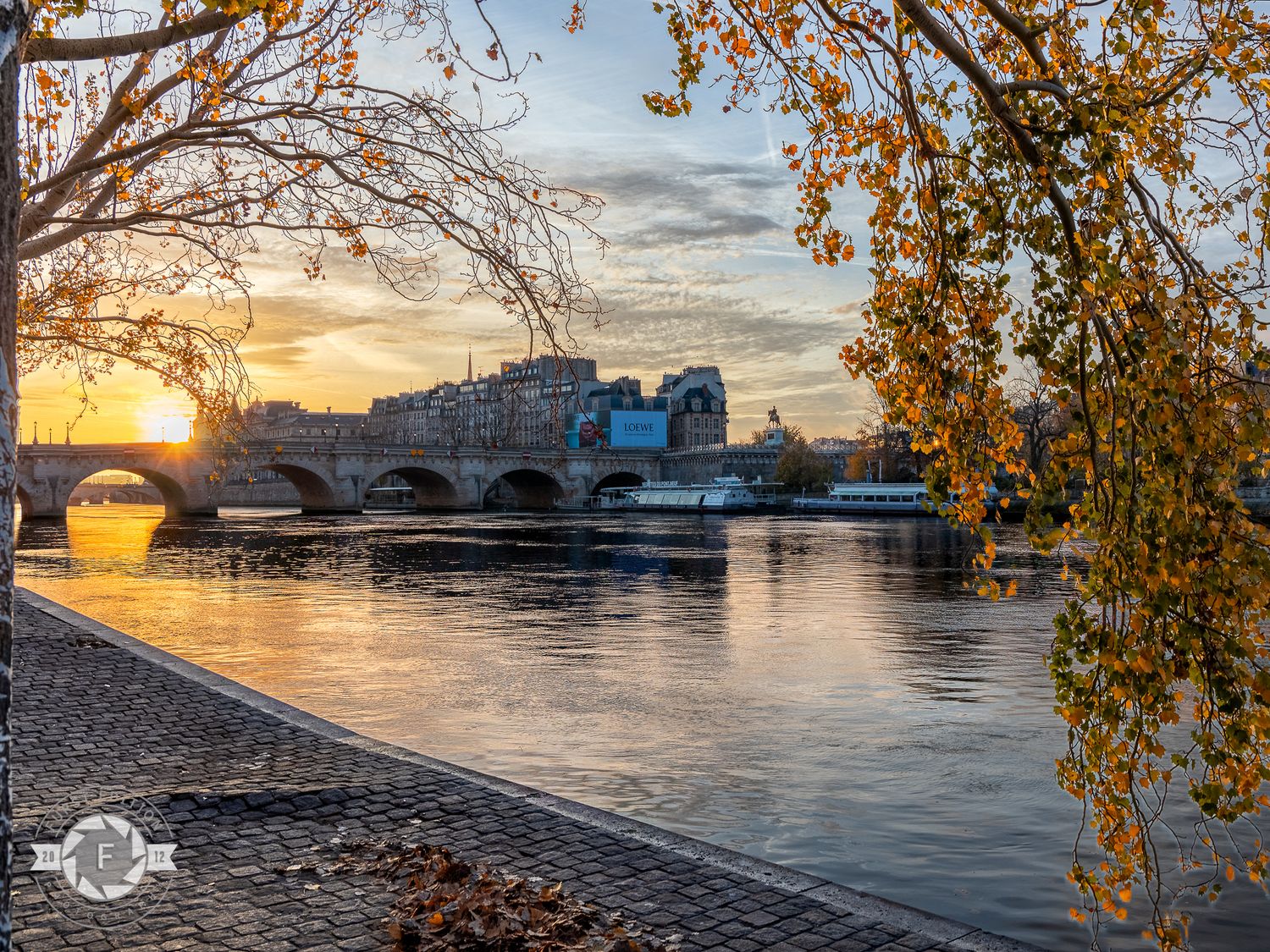
I captured this image of Ile de la Cite and Pont Neuf during sunrise from the right bank of the Seine River in Paris, France. I liked how the sunrise glow was illuminating the autumn colors of the leaves hanging over the coblestones and how they framed the scene perfectly.
4. Connect with People
Some of the most memorable travel photos, and travel moments in general, come from interacting with locals.
If you do decide to try your hand at photographing the locals, be sure to ask for permission before taking portraits. Learning a few phrases in the local language can help with this. Once you’ve taken the photo, show it to them, This can build trust with them and lead to some more genuine shots if you take more of them. As authenticity is more important than aesthetics, try to capture candid moments, but always remember to remain respectful when doing so.
5. Explore Beyond Tourist Hotspots
When traveling to somewhere new (or even for the 100th time) obviously visiting the iconic landmarks is great, but they’re only one part of your destination’s identity. There is so much more that many people overlook when visiting somewhere other than their home town. I have been guilty of this very thing on so many trips that I’ve taken. Over the years I have learned to look beyond the tourist hotspots and explore the nooks and crannies of your destination. This will not only take you away from the crowds, but will also show you the true identity of your destination.
In your daily adventures, try the following ideas for locations to photograph away from the touristy areas. Often the best images you will create are taken away from the crowds.
Back alleys and quiet neighborhoods
These areas can often make some quite unique photographs that really tell a story about the city or village you’re visiting. They also typically have some very dynamic lighting as their close quarters can be cast with shadows and minimal sunlight. In some cases, especially after rain, you are likely to find puddles which are always great for creating reflections if you’re willing and able to get low to the ground for a different perspective.
Local markets
While you may still have crowds here, visiting local markets can still lead to very interesting photographs. Typically you will find two types of markets in your travels, with the first being farmer’s type markets. These usually are filled with fresh produce, baked goods, locally sourced meats and fish, as well as food vendors serving local delicacies. The second type of market is vendor/flea market where you’ll find vendors selling local goods such as handmade clothes and crafts or second-hand items, and souvenirs. These markets will usually also have vendors selling fresh made local food as well. Both of these style markets are a treasure trove of opportunities for street photography as well as creating dynamic images with lots of color.
Rooftops and viewpoints
One thing I’m constantly having to remind myself to do is to get low, however to the contrary, getting up high is also a great idea to. Finding locations with accessible rooftops can give you a whole new perspective on your locale. Rooftops are especially amazing for photography at sunrise and/or sunset. After the sun goes down, this vantage point can also be quite advantageous if you can find an elevated perspective above a highly trafficked roadway or intersection/interchange to photograph light trails from the headlights and taillights of cars passing below.
Public transportation
Taking the subway, also known as the Metro (Paris) or the Tube (London), doesn’t just have to be about getting from one part of a city to another. If you don’t need to be somewhere else right away, take some time to appreciate where you are and explore the possibility of what kinds of images the station you’re in presents you. Whether you’re riding the NYC subway system with its old and [let’s face it] run down stations, or the Metro in Paris, there can always be something to photograph while standing on the platform. In most cities, each station has it’s own unique character and look. Don’t be afraid to look beyond the platform and incorporate the moving parts (aka the train itself) into your photos. Moving trains and long exposures can add a very creative aspect to your photos.
Hidden cafés and cultural centers
Stumbling upon a hidden cafe away from the main streets can not only be a a great culinary find and place to take a break, but can sometimes be great for photographs. This can also be a great place to interact with locals, as they typically stay away from the touristy areas.
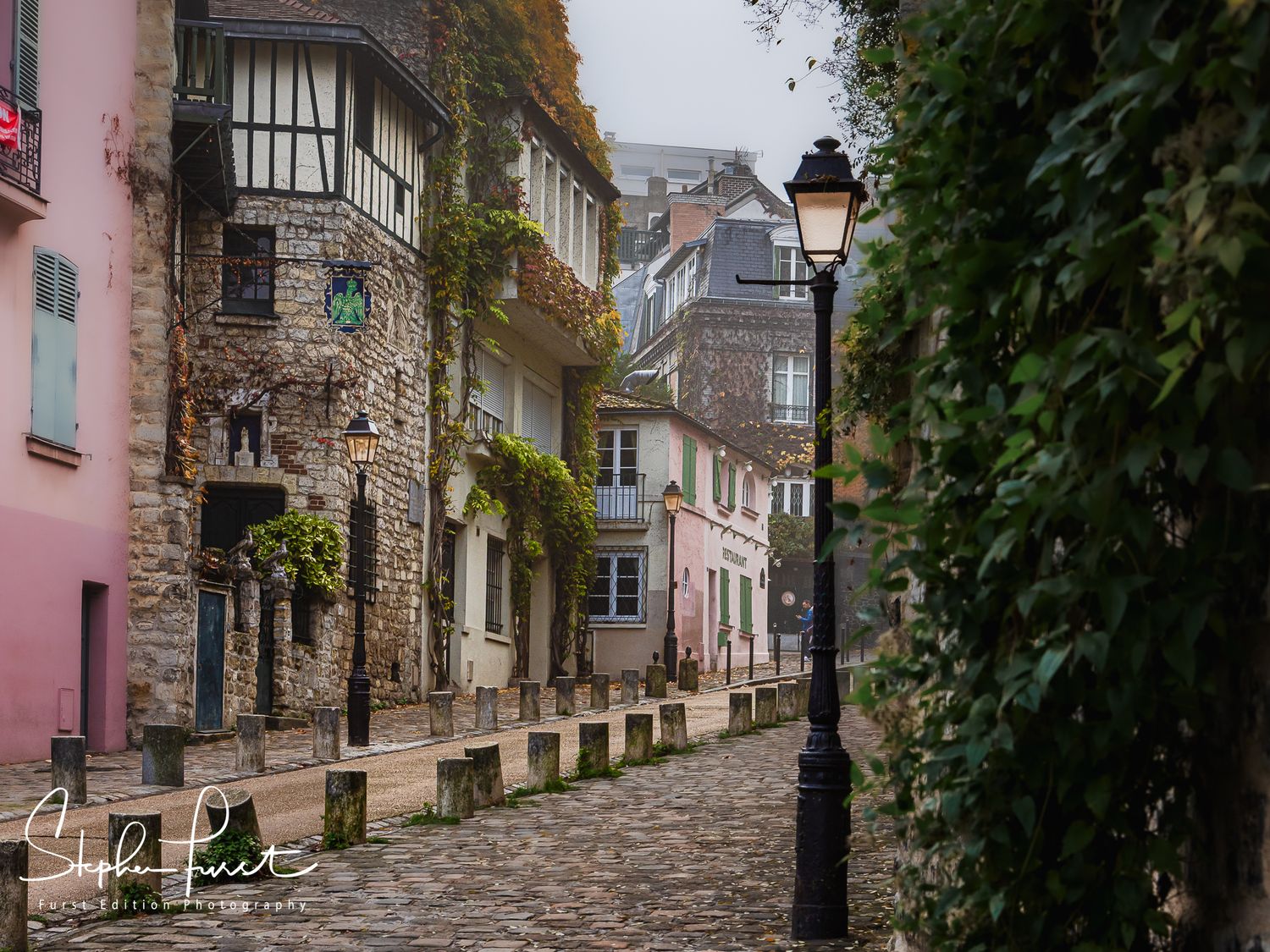
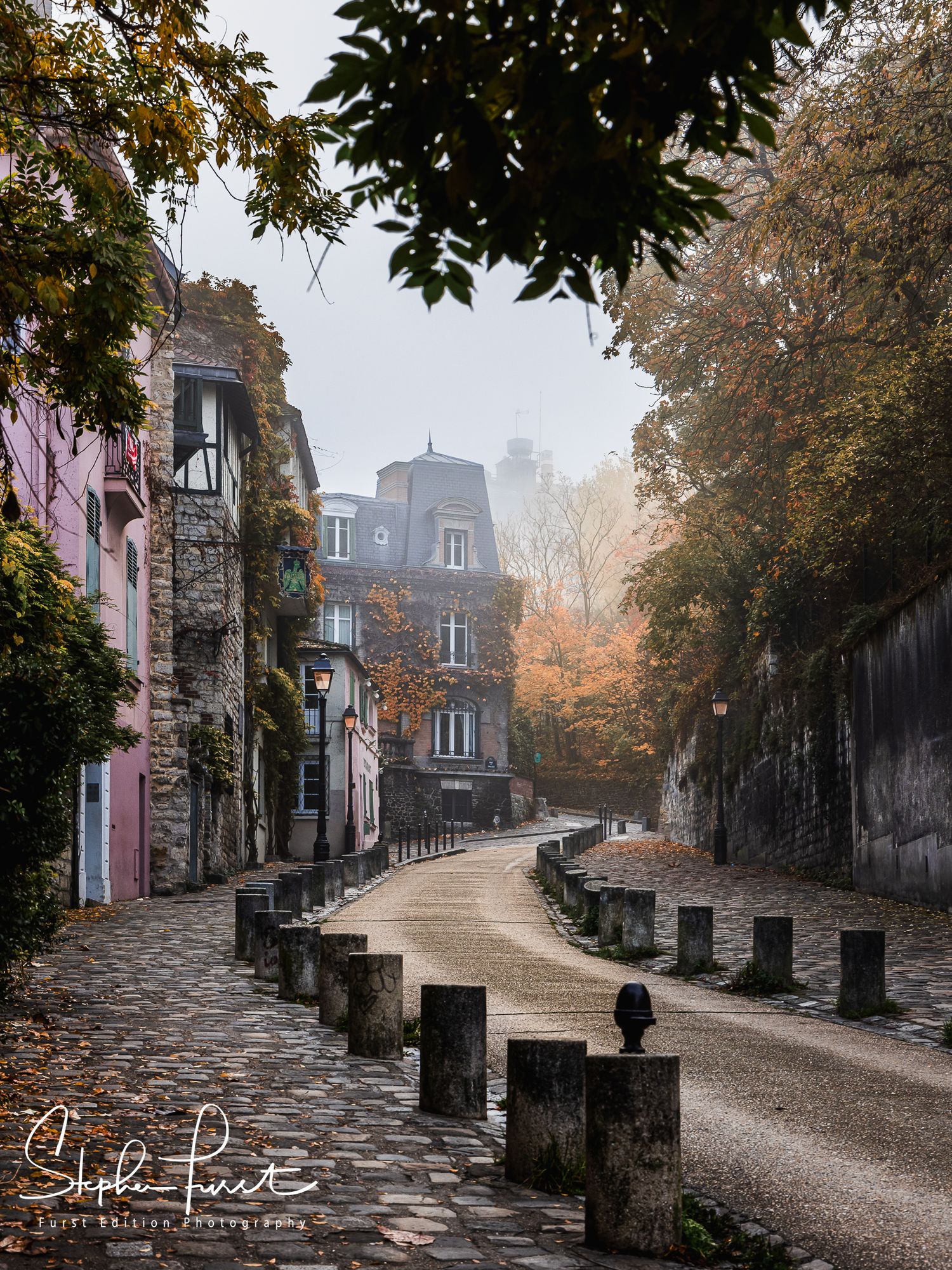
While technically in a touristy area, I still consider this a quiet neighborhood in the early morning. I captured this image on Rue de l'Abreuvoir leading up to Montmartre early in the morning. There were some challenges of waiting for people to disperse, especially sicnce there was a walking tour ahead of us with a sizeable group of people all wanting to take selfies with La Maison Rose cafe (the building in the center of the image).
6. Tell a Visual Story Through Details
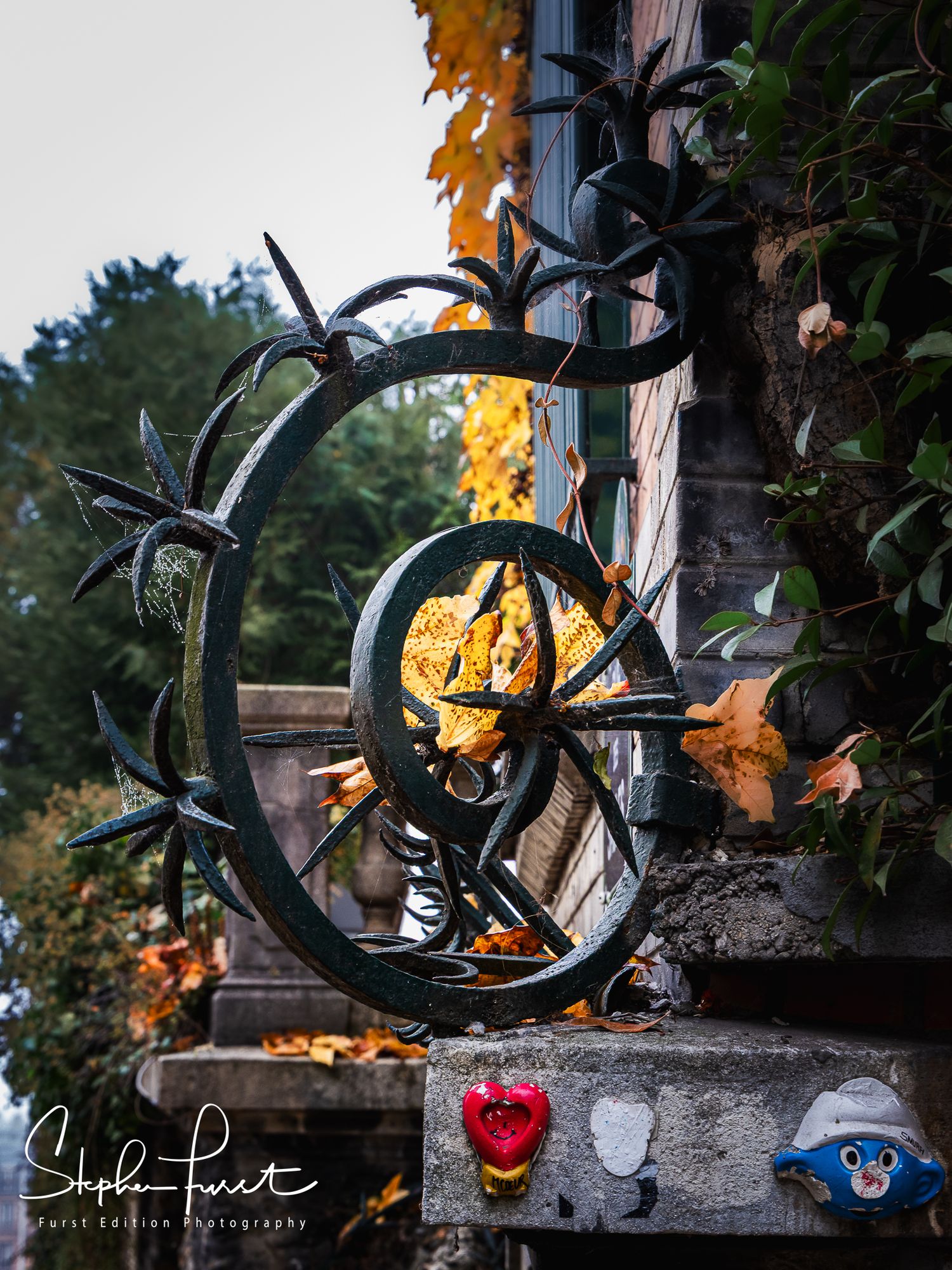
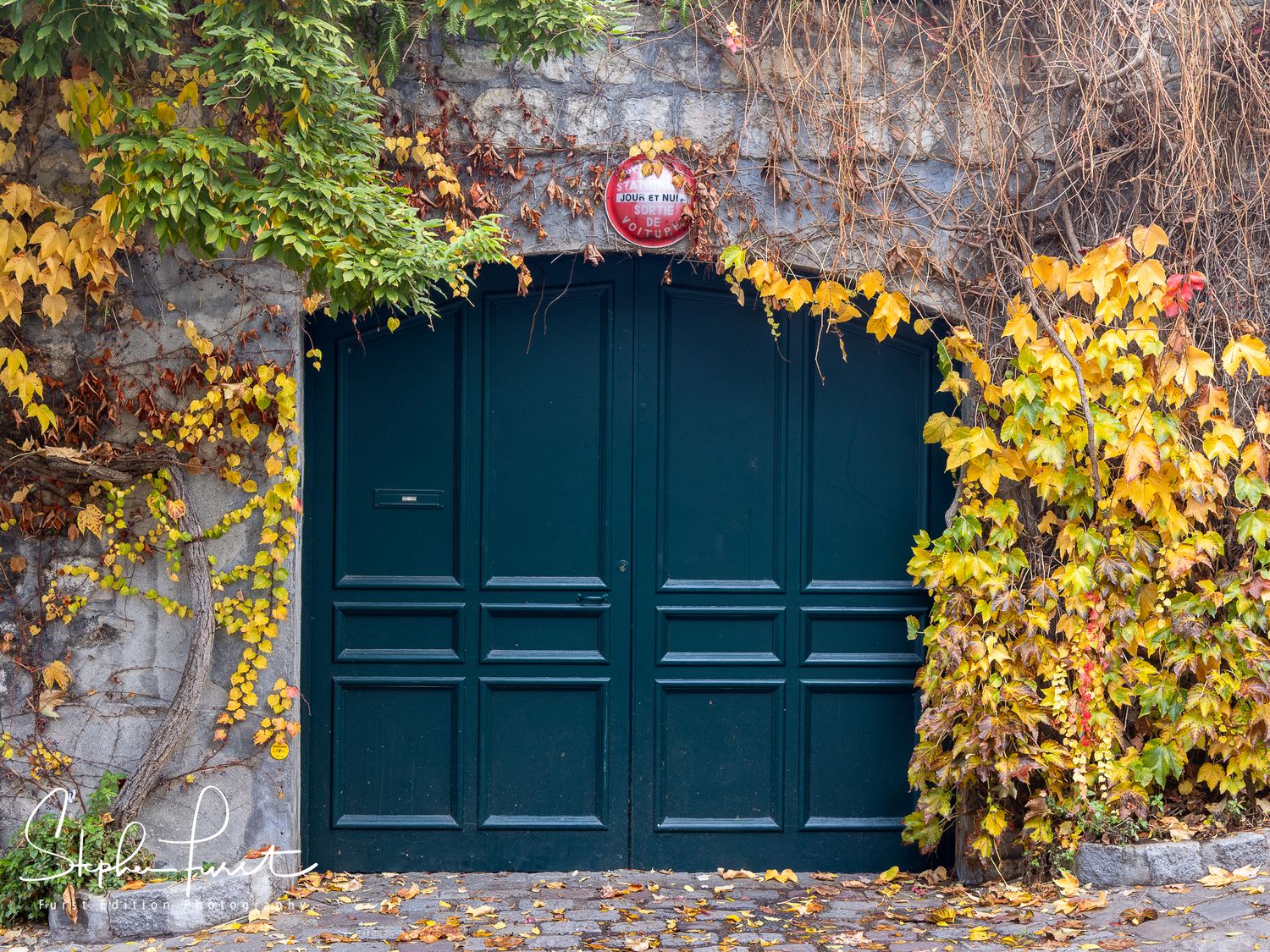
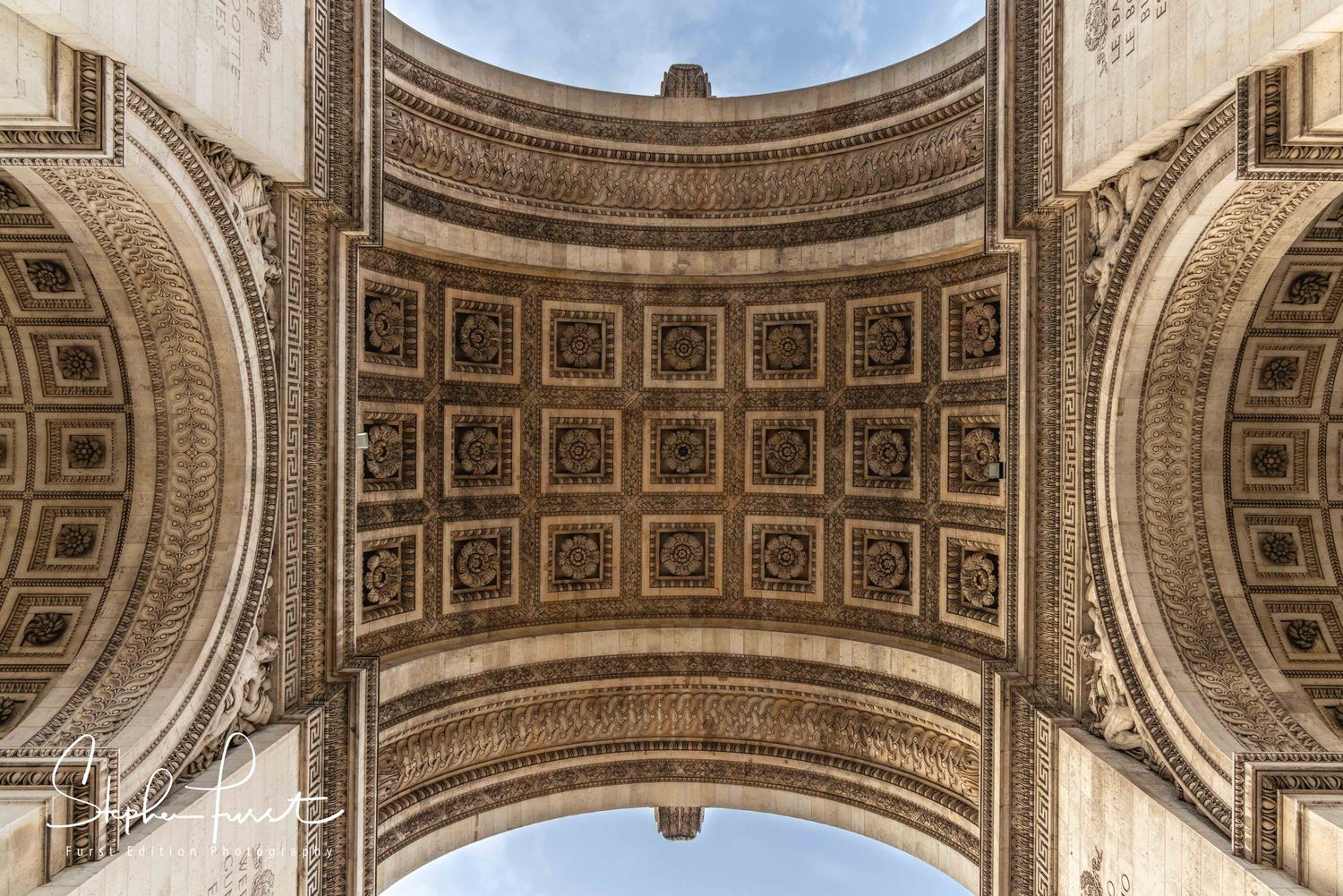
A complete travel story includes both wide-angle shots and close-up details. While you will obviously take wide shots of landscapes and city scapes, don’t be afraid to look closer at the details. Use your zoom lens to focus on some of the intricacies in front of you. Capture things such as unique doors, ornamental objects on buildings, fences, and walls. Also look for textures and patterns as well as items you’d most likely overlook such as street signs or advertisements.
Also, don’t be afraid to look beyond the structural and material details. Look at the cultural details around you. Focus on gestures the locals are making or the clothes they’re wearing and accessorizing with. The sky really is the limit, so don’t forget to look up from time to time. You never know what you may see. Finding the smaller details will add depth to the story you are telling through your images.
7. Edit with Intention
This next part can be controversial to some, but I will talk about it anyway. I know there are some photographers out there that refuse to edit images because they believe it their photos should look exactly the way the camera saw it, but the thing is, the camera doesn’t always get it right even if you nailed the exposure. Editing is part of the creative process, and isn’t just a product of the digital camera age we live in now. Even film photographers used the dark room to enhance their images, not just develop them. Some of the tools we use in software such as Lightroom and photoshop are derived from techniques used in dark rooms, but I digress. With that, let’s get back on topic.
When editing your travel photos, edit to enhance the image, never to misrepresent the scene in front of you. In other words, don’t go overboard with making changes. If you shoot in RAW like I do, your camera will give you a rather flat image, so you will have a little work to do to bring the scene back to life, the way you saw it in person. When making these edits, keep your colors natural, don’t overcook them with saturation or or wash them out with lack of saturation. Unless you absolutely nailed it in camera, you will more than likely make subtle changes to the exposure. I will usually also adjust the shadows and highlights as well. Avoid using heavy filters and over-sharpening your images, which can lead to a very unnatural result. When editing, also try to maintain consistency with your edits between photos. This will result in a more cohesive gallery of photos.
8. Stay Present and Don’t Become Consumed by Your Camera
Always remember, the best photos come when you’re truly engaged with your surroundings. It’s very easy to be consumed by the thought that you’re going to miss out on photos if you’re not constantly clicking your shutter. I’ve been there on trips before and [especially if you’re with others not taking photos] it can make the trip very unpleasant for your travel companions. It’s ok to put the camera down, or even leave it in your room for a few hours. Embrace where you are and take time to enjoy the food, listen to the sounds of where you are and interact with locals. While on my latest trip to Paris, my travel companion and myself would make it a point to stop multiple times throughout the day to grab a coffee and just sit and observe. Something as simple as people watching can be a great addition to a trip to somewhere new and can directly influence the authenticity of your images.
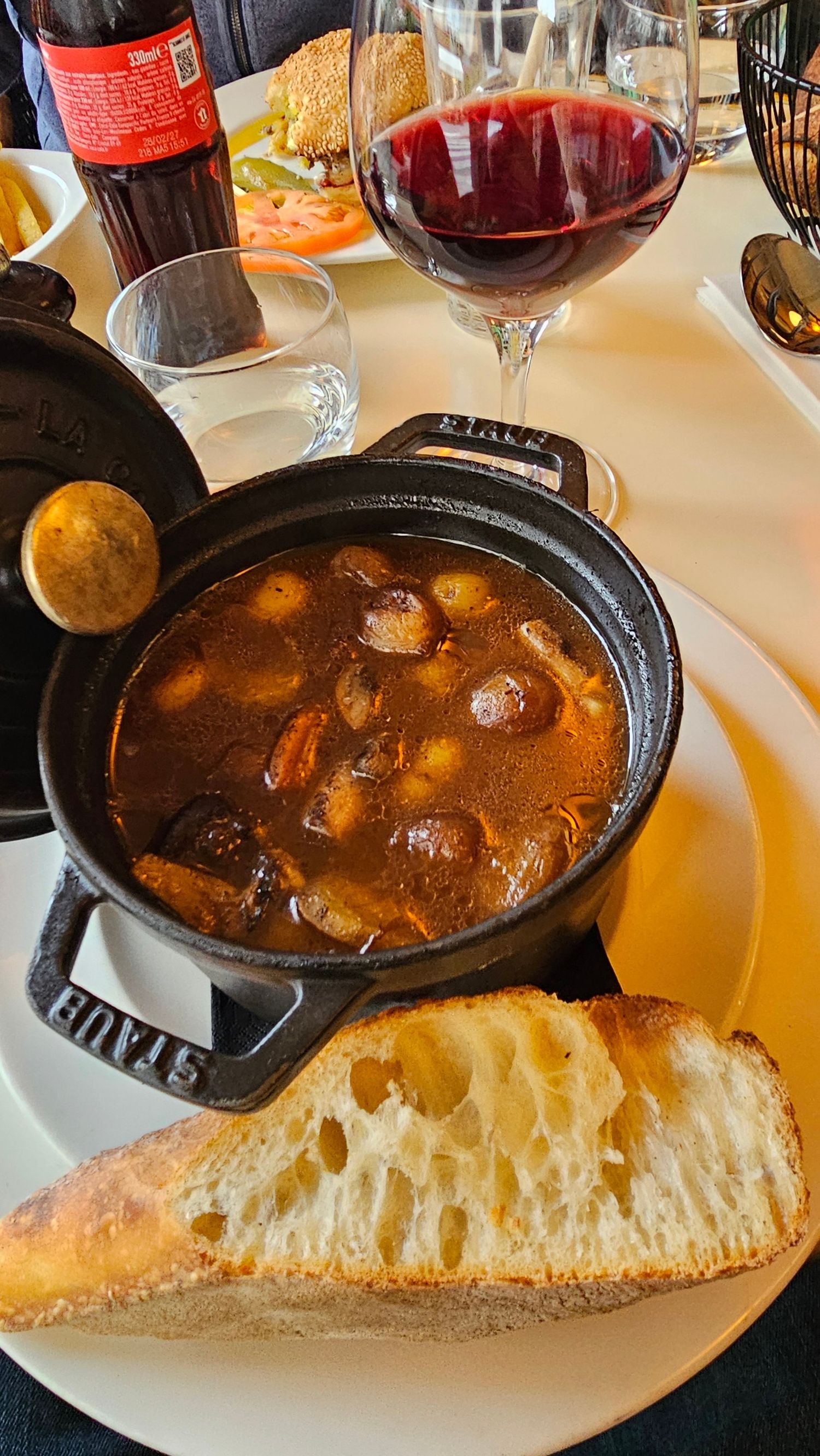
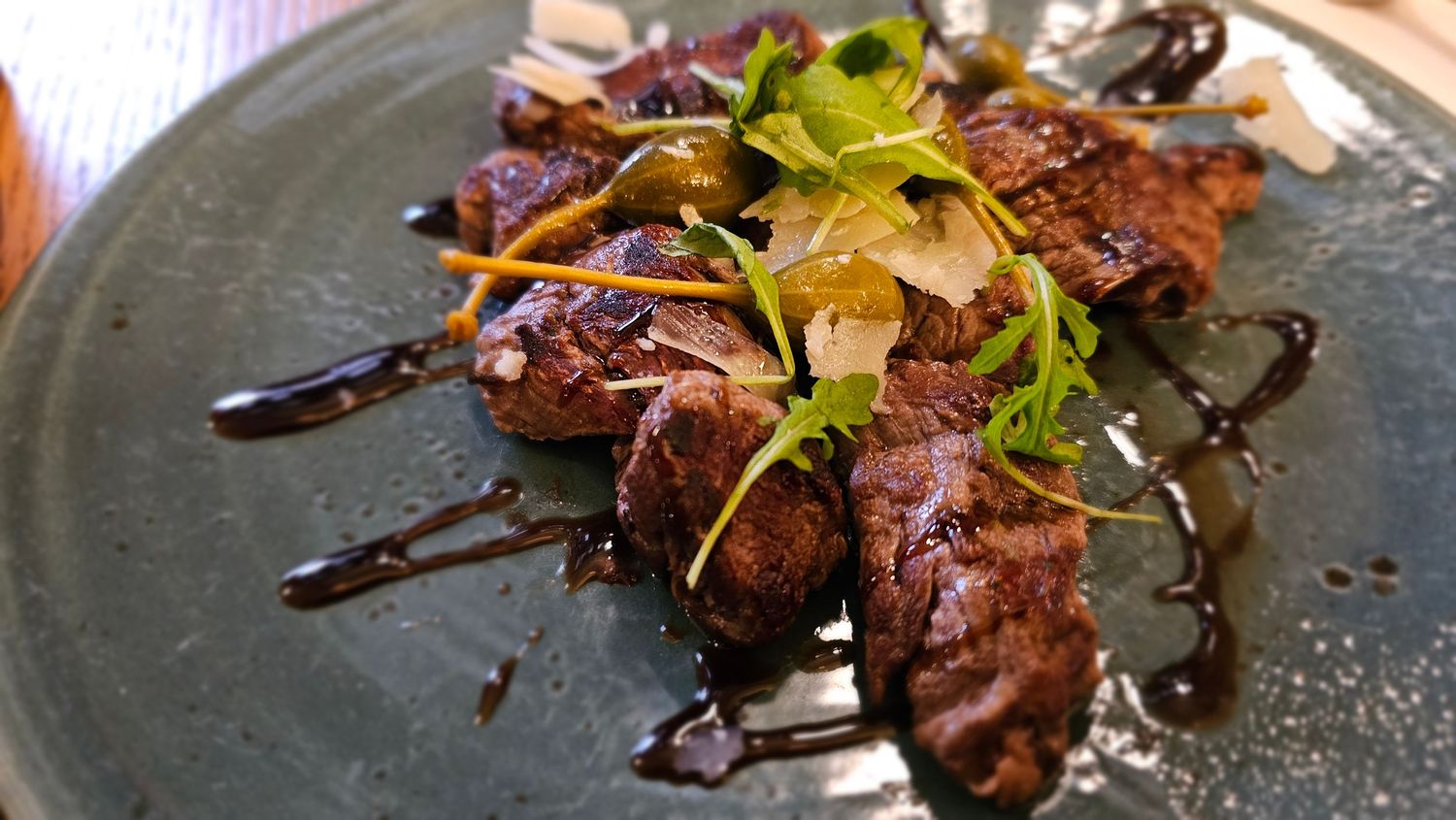
Eventhough you've sat down and put your main camera away to enjoy some delicious food and drink doesn't mean you can't snap some food pics with the camera on your phone. These are two fantastic dishes I had in Paris, France. On the left is Tagliate de boeuf from a charming restaurant in the Montparnasse neighborhood of Paris called Charivari. On the right is boeuf bourguignon at my favorite restaurant in Paris, Au Bourguignon du Marais in the Marais neighborhood. Definitely make a stop at both of these restaurants if you ever find yourself in Paris.
Final Thoughts
Travel photography is more than capturing pretty scene, it’s a way of honoring the cultures, stories, and people you encounter. With curiosity, patience, and a bit of creative storytelling, your photos can become a cherished visual diary of your adventures.
I hope you have found this helpful and will continue to read my future articles about my journey through the wonderful world of photography.